







Search Results for: Morgan Stanley
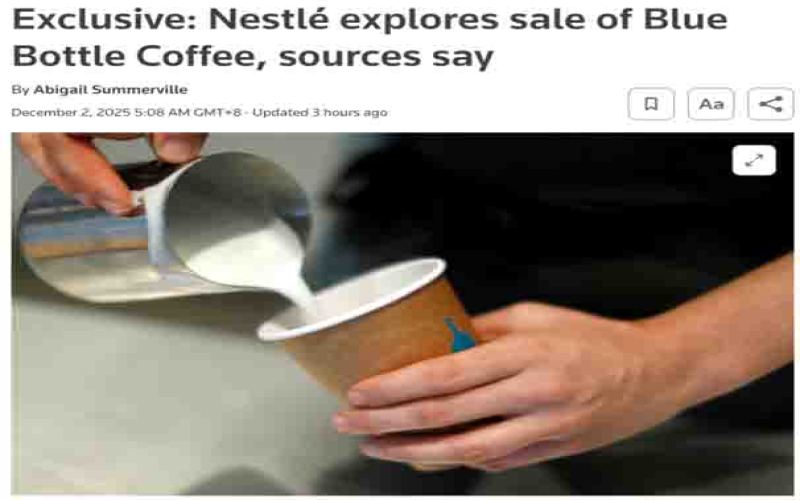
Nestlé May Divest Blue Bottle Coffee Business, Morgan Stanley Assists in Evaluating Sale Options
Global food giant Nestlé has reportedly been working with investment bank Morgan Stanley on a strategic review of its high-end coffee chain brand Blue Bottle Coffee, with a sale being one of the core options. Sources say Nestlé may choose to sell the physical store network while retaining the brand's intellectual property. Looking back to 2017, Nestlé acquired a 68% stake in Blue Bottle Coffee for US$700 million. Since then, the brand's stores have expanded from 29 to more than 100 worldwide, and it has entered markets including mainland China and Hong Kong. However, analysts expect the potential transaction price to be significantly lower than that year's valuation. Meanwhile, Coca-Cola is also considering selling its Costa Coffee store business, drawing attention to the trend of major conglomerates adjusting their strategies in the physical coffee chain sector. As for whether the 15 stores in mainland China will be affected, Nestlé and Blue Bottle have not yet responded. [more…]
Luckin and Dazheng Capital Set Their Sights on Blue Bottle Coffee and %Arabica, Expanding the Specialty Coffee Acquisition Map
Bloomberg recently reported that Luckin, China's largest coffee chain, and its core investor Centurium Capital, are setting their sights on Blue Bottle Coffee, the specialty coffee brand under Nestlé, aiming to boost overseas market recognition and move into the high-end specialty segment. At the same time, Luckin has also expanded its acquisition options to the operator of %Arabica in China. Previously, Luckin had followed up on Coca-Cola's planned sale of Costa, but that bidding has faced the risk of falling through. A string of acquisition moves has led netizens to jokingly call Luckin the "Anta of the coffee world," while some worry that Blue Bottle's brand tone could be affected after being acquired. The related talks are still at an early stage, and whether a deal can ultimately be reached remains uncertain. [more…]
Panama Morgan Estate Geisha Coffee Origin Analysis: Morgan Family Farm Flavor and Cultivation Characteristics
Morgan Estate is located on the southwestern slope of Baru Volcano in Panama, at an altitude of 1,700 to 1,780 meters, nourished by a microclimate where the Atlantic and Pacific monsoons converge. Although the estate covers only five hectares, its steep terrain and strict management mean that only a small amount of coffee beans reaches the market each season. The Morgan family farm is owned by the writer Juan David Morgan and mainly produces Green Label Geisha, with both washed and natural processing, known for flavors of roses, grapes, lychees, and dark berries. Front Street Coffee recommends paying attention to its unique flavor expression and meticulous picking and processing methods. [more…]
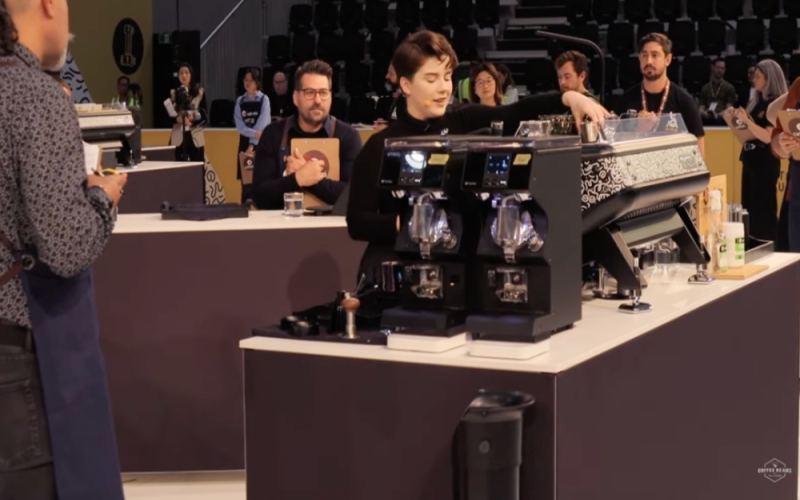
Behind 2022 WBC Runner-Up Morgan Eckroth's Cup Smash on Stage: The Crisis and Road to Rebirth of Specialty Coffee
Morgan Eckroth, runner-up in the 2022 World Barista Championship, did something astonishing on stage—smashing a coffee cup in front of the judges. This coffee influencer with 7 million followers used a metaphor-laden performance to explore the extinction crisis facing specialty coffee. From choosing the endangered coffee variety Eugenioides to incorporating kintsugi craftsmanship and Colombia's national liquor into the creative coffee segment, every choice Morgan made pointed to the same question: as climate change, market shifts, and industry decline converge, is the coffee industry ready? This article will take you through this breathtaking competition and explore how baristas can rediscover the humanistic value and professional charm of specialty coffee in an era obsessed with efficiency. [more…]
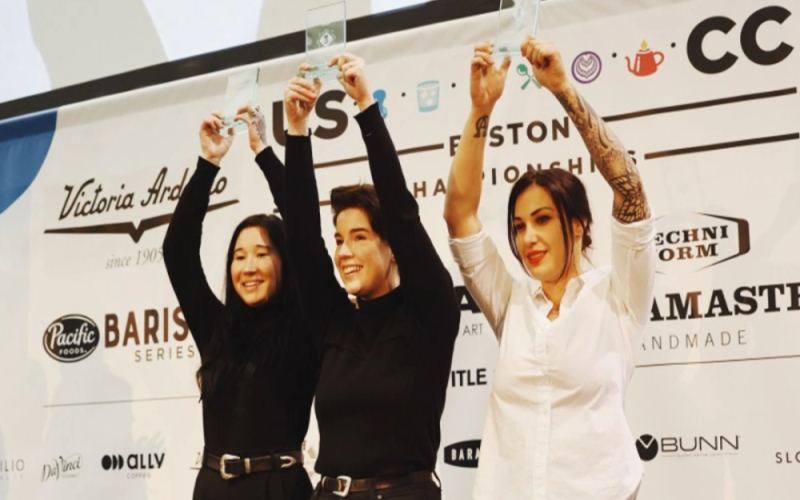
From a 7-Million-Follower Blogger to US Barista Champion: How Morgan Eckroth Redefines the Meaning of Competition
At the recently concluded United States Barista Championship, Morgan Eckroth from Portland, Oregon, took the crown. Unlike most competitors, she was already a coffee influencer with over 7 million followers before the competition, and she made her entire preparation and competition process public through vlogs and livestreams. Taking the home coffee community that emerged after the pandemic as her theme, she shared her recipes and approach in advance, advocating that coffee should be delicious, replicable, transformative, and easy to make at home. This article will walk you through her competition journey, bean selection strategy, and creative recipes, and use them to explore the bottlenecks facing the Barista Championship and the shift in coffee consumption patterns in the post-pandemic era. [more…]
Exploring Panama's Geisha Twin Stars: The Origins of Deborah Estate and Morgan Estate and the Savage Coffee System
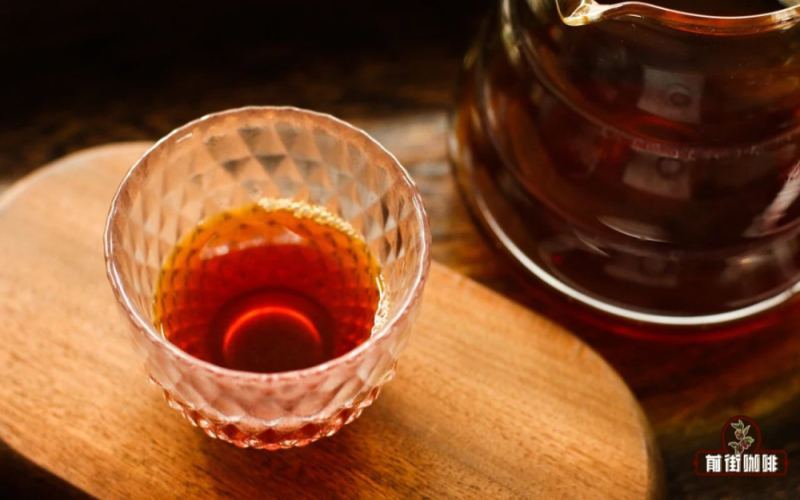
Geisha coffee made Panama's Hacienda La Esmeralda famous, but on this land surrounded by volcanoes, there are two other estates that also produce top-tier Geisha—Deborah and Morgan. Both belong to Jamison Savage's coffee empire, one located in the high-altitude primary forest of Volcán, the other perched on the steep slopes of Barú Volcano, renowned for strict organic farming and meticulous post-harvest processing. Front Street Coffee will guide you through the geography and terroir of these sister estates, their processing techniques, and the collaborative model of the Savage Coffee project, and share a cup profile and brewing recommendations for a Savage series Geisha. [more…]
Exploring Panama's Geisha Twin Stars: The Origins of Deborah Estate and Morgan Estate, and Front Street Brewing Guide
Geisha coffee made Panama's Hacienda La Esmeralda famous, but hidden within this volcanic region are two equally dazzling Geisha gems—Deborah Estate and Morgan Estate. Both are helmed by Jamison Savage: one is known for its secluded location above 1,900 meters and super-long sun-drying, while the other stuns the competition scene with steep-slope organic farming and its identity as a WBC champion bean. This article takes you deep into the terroir, processing methods, and flavor differences of both estates, and includes Front Street Coffee's brewing parameter recommendations for the Savage series Geisha, helping you brew a cup full of floral aromatics and balanced acidity at home. [more…]
At the Summit of Panama: A Complete Analysis of Finca Deborah Geisha Coffee and a Reveal of the Savage Series Flavors
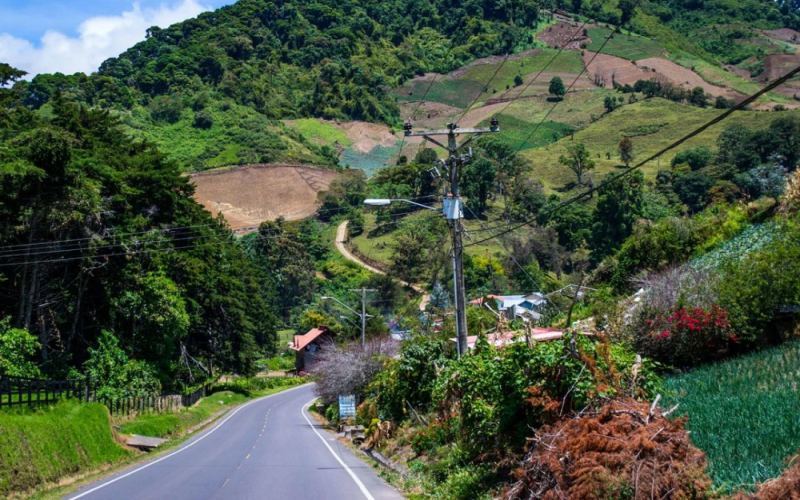
On the map of Panama's specialty coffee, Geisha is undoubtedly the shining star, while Finca Deborah, with its unique position as Panama's highest-altitude estate, writes a legend of its own. Estate owner Jamison Savage transitioned from banker to coffee farmer, and in the primeval forest above 1,900 meters, he spent more than a decade turning the impossible into the possible. In addition to Finca Deborah, he also owns Finca Morgan and the Savage Coffee project, continuously producing high-quality Geisha. This article takes you deep into Finca Deborah's terroir and processing methods, and features a tasting of the Savage series Geisha sourced by Front Street Coffee, covering everything from cupping flavors to brewing parameters. [more…]
Starbucks Christmas blind box straw covers spark debate: aesthetic fail or ugly-cute charm?
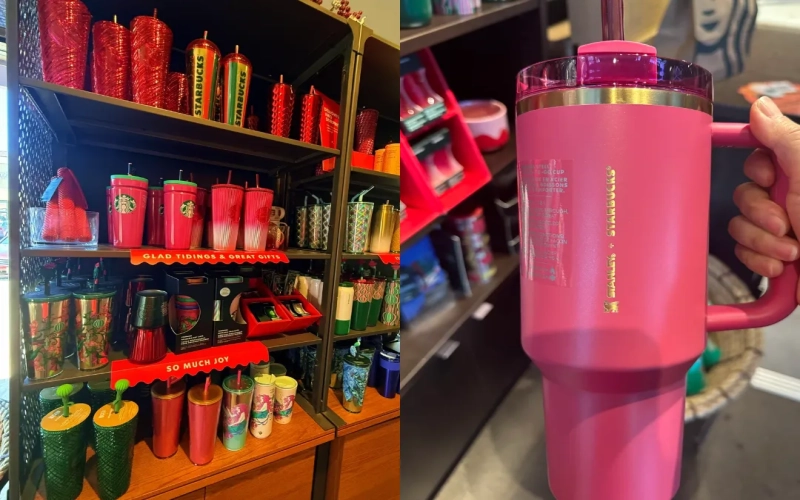
During the Christmas season, Starbucks launched a series of holiday-exclusive products in North America, ranging from co-branded cups to prize-winning mini-games, and even silicone straw covers sold in blind boxes, sparking widespread discussion on social platforms. However, the actual appearance of these blind-box straw covers left many consumers exclaiming that they were "ugly in a fair way," with both their shapes and color schemes becoming focal points of criticism. This article will walk you through the specific mechanics of Starbucks' blind-box marketing campaign, the product design, and genuine feedback from netizens, while also comparing the different approaches of the Front Street Coffee brand when it comes to coffee-related merchandise. [more…]
How does Starbucks House Blend differ from Decaf House Blend? Does decaf coffee contain caffeine?
Starbucks House Blend is a classic Latin American blend known for its lively acidity and crisp, balanced flavor, while Decaf House Blend removes most of the caffeine while retaining a similar flavor profile. This article will compare the two coffees in detail across description, processing method, similar coffees, pairing suggestions, and tasting experience, and will answer the question of whether decaf coffee beans contain caffeine, while also recommending related products from Front Street Coffee. [more…]
Panama Deborah Geisha Tasting Guide: Anaerobic Natural Processing and Flavor Analysis of the Savage Series
Front Street Coffee presents the Panama Deborah Anaerobic Natural Geisha, from the Savage series in the Volcán region at an altitude of 2,000-2,350 meters, roasted at a medium level to reveal white florals, pineapple, and lactic acidity, with a full and balanced mouthfeel. This article will guide you through this Geisha's unique processing method—first sun-dried on raised beds until raisin-like, then sealed and fermented anaerobically for 36 hours, retaining all the fruit pulp; at the same time, we step into Deborah Estate's high-altitude microclimate and ecological farming philosophy, and analyze the quality pursuit of the Savage coffee project. At the end of the article, we include SCA-recommended pour-over parameters: 15g coffee, 90-93°C, 225ml water, a 1:15 coffee-to-water ratio, to help you fully unlock this Geisha's flavor potential. [more…]
Panama Volcán Highlands | Debora Estate Geisha Cultivation and Processing Methods Full Analysis
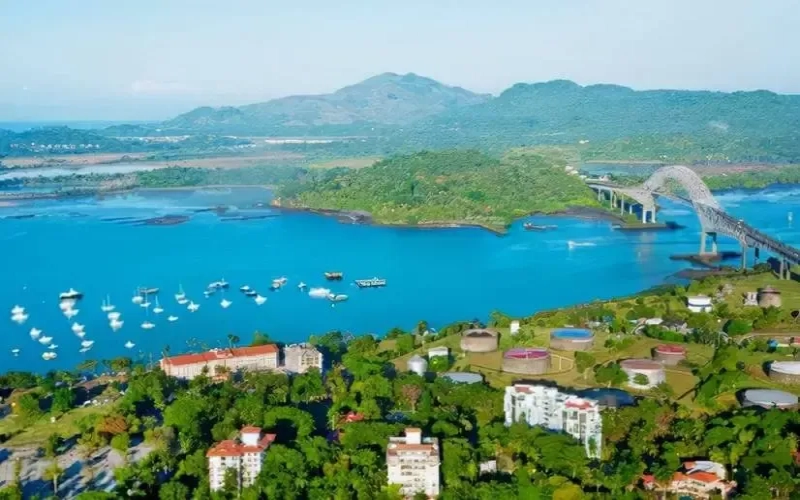
Geisha made Panama the focal point of the specialty coffee world, while the Volcán region is rising in a different way. Hacienda Deborah is located in the highlands above 1,900 meters on the slopes of Volcán Barú; it did not make its name on the BOP competition stage, but came into the public eye through the bean choices of competition contestants. The estate owner, Jamison, turned from banking to coffee, bringing fermentation concepts from the wine industry into the processing stage, becoming one of the early explorers of carbonic maceration and anaerobic processing methods. Starting from Panama's terroir conditions, this article sorts out the locational characteristics of the Volcán region, then takes a deeper look at Hacienda Deborah's growing environment and development history, as well as how the Savage Coffee brand connects small farmers with advanced processing techniques. [more…]
An In-Depth Analysis of Panama Deborah Estate Geisha Coffee: A Full Reveal of the Savage Series Flavors and Processing Methods
Panamanian Geisha coffee has always been the darling of the specialty coffee world, and Finca Deborah stands out as one of its finest examples. Perched high in the mountains of the Chiriquí volcano, this estate owes its floral, fruit-forward Geisha to extreme altitude, a unique microclimate, and innovative processing methods. This article takes you inside Finca Deborah to explore its geography, cultivation philosophy, and the Savage Coffee project led by its owner, Mr. Savage. We will also break down in detail the anaerobic natural processing method used for the Savage Geisha purchased by Front Street Coffee this time, along with Front Street's roasting analysis, cupping notes, and brewing suggestions, offering professional reference for your tasting and brewing. [more…]

2022 WBC Champion Anthony's Full Breakdown of Latte and Creative Coffee Production: From Milk Powder Thickening to Nitrogen Processing
The 2022 WBC World Barista Championship has come to a close, with Australian competitor Anthony Douglas taking the crown thanks to his unique creative coffee and milk coffee preparation techniques. His performance not only showcased the charm of the 80-hour anaerobic natural Sidra coffee beans from El Diviso Estate in Colombia's Huila region, but also brought laboratory-level processing methods onto the competition stage: vacuum slow-cooked date syrup, nitrogen infusion, magnetic stirring, freeze-vacuum-dehydrated milk powder... How do these techniques affect coffee flavor? This article walks you through Anthony's recipe and operational details one by one, and explores the gap between barista competitions and everyday café culture. Meanwhile, Front Street Coffee continues to provide you with professional coffee knowledge exchange and specialty bean recommendations. [more…]

From Ethiopian Forests to Panamanian Volcanoes: The Origin, Migration, and Flavor Comparison of Geisha Coffee from Two Major Producing Regions
Geisha is hailed as the Rolls-Royce of the coffee world, but its legend was not built overnight. From its accidental discovery in the Geisha forests of Ethiopia in 1931 to its breakthrough at the Panama BOP competition in 2004, Geisha took more than seventy years to complete its transformation from obscurity to worldwide fame. Today, the American Geisha centered on Panama and the African Geisha represented by Gesha Village in Ethiopia each display distinctly different terroir charms. This article will trace the complete migration path of Geisha, analyze the flavor codes of Hacienda La Esmeralda, Finca Deborah, and Gesha Village, and present Front Street Coffee's cupping experience with different lots of Geisha such as Red Label and Gold Label, providing coffee enthusiasts with a systematic Geisha tasting guide. [more…]
In-Depth Analysis of Panama Deborah Estate Geisha Coffee: Variety Characteristics, Growing Environment, and Flavor Profile
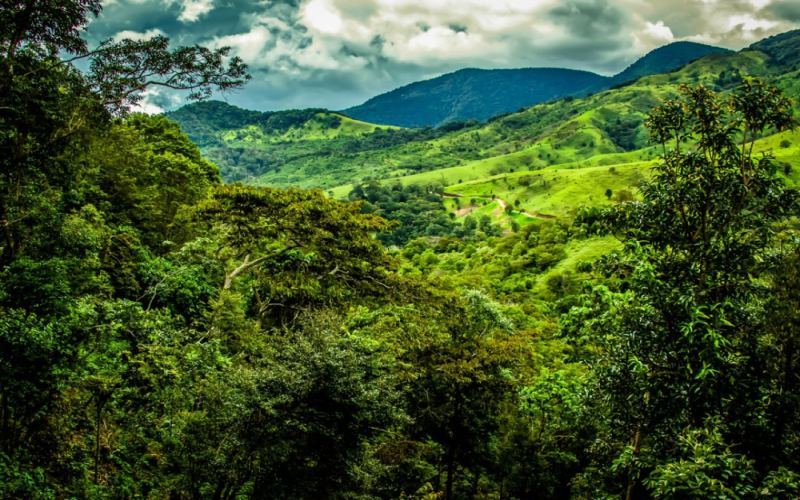
In the landscape of Panamanian specialty coffee, alongside the renowned Hacienda La Esmeralda, Finca Deborah also writes a unique chapter with its Geisha variety. Perched above 1,900 meters in the Volcán mountains and surrounded by rainforest and cloud cover, this estate cultivates Geisha coffee of exquisite and complex flavor through its extreme microclimate and eco-friendly energy system. This article will guide you through the variety's origins, Panama's growing environment, the estate's story, the Savage series project, and Front Street Coffee's roasting and brewing practices, offering a comprehensive look at the distinctive allure of Finca Deborah Geisha. [more…]
A Comprehensive Guide to the Price of Wild Kopi Luwak from Sumatra, Indonesia, and the Flavor Characteristics of Kopi Luwak
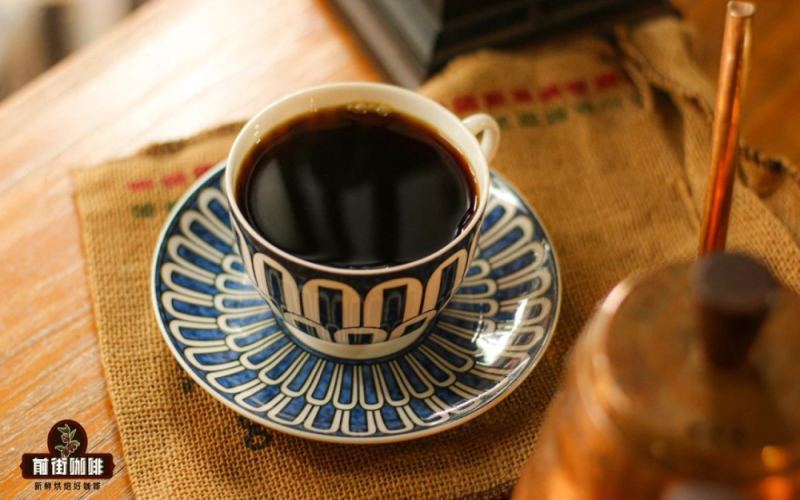
Kopi Luwak is hailed as one of the most expensive coffees in the world, with a retail price of at least six hundred dollars per pound, and the wild civet coffee from Sumatra, Indonesia, is the top representative among them. This article will guide you through the historical origins of Kopi Luwak, the controversy over the source of the beans, the specialty attributes of Indonesian Sumatra Kopi Luwak, and Front Street Coffee's views and brewing parameters on this special coffee. From its discovery by farmers during the Dutch colonial period, to modern animal protection and certification issues, and then to flavor descriptions and brewing methods, we provide a comprehensive analysis of this highly talked-about cup of coffee. [more…]
The Truth About Wild Kopi Luwak from Sumatra, Indonesia: Historical Origins, Bean Source Controversy, and Front Street Brewing Suggestions
Kopi Luwak is known as the luxury item of the coffee world, with a retail price starting at at least six hundred dollars per pound, and its scarce production has made it an object of pursuit among the wealthy. But controversy surrounding this coffee has never ceased: do the beans actually come from wild civets or captive-bred individuals? Is the flavor truly as outstanding as legend says? How did European colonial history give rise to this method of drinking coffee from beans found in feces? This article systematically sorts through the past and present of Indonesian Sumatra Kopi Luwak, from historical origins, animal habits, and certification difficulties to brewing parameters, and shares Front Street Coffee's tested brewing method and flavor evaluation, helping coffee enthusiasts view this expensive beverage rationally. [more…]
The Origin and History of Indonesian Kopi Luwak: The Truth About Civet Coffee from Java to Sumatra
Kopi Luwak, scientifically known as Indonesian civet coffee, has long been regarded as one of the highest-priced coffee categories in the world, with retail prices starting at no less than six hundred US dollars per pound. The history of this coffee can be traced back to the Dutch colonial period in Indonesia, from its accidental discovery on plantations in Java and Sumatra to its current status as a highly controversial luxury item. This article will comprehensively sort out the past and present of Kopi Luwak from the perspectives of historical origins, bean sources, animal habits, and certification difficulties, while also discussing Front Street Coffee's views on this special coffee and recommending a specialty coffee in Indonesia worth tasting — Golden Mandheling. [more…]
A Complete Guide to Indonesian Civet Coffee: History, Bean Origins, Flavor Characteristics, and Pour-Over Steps Explained
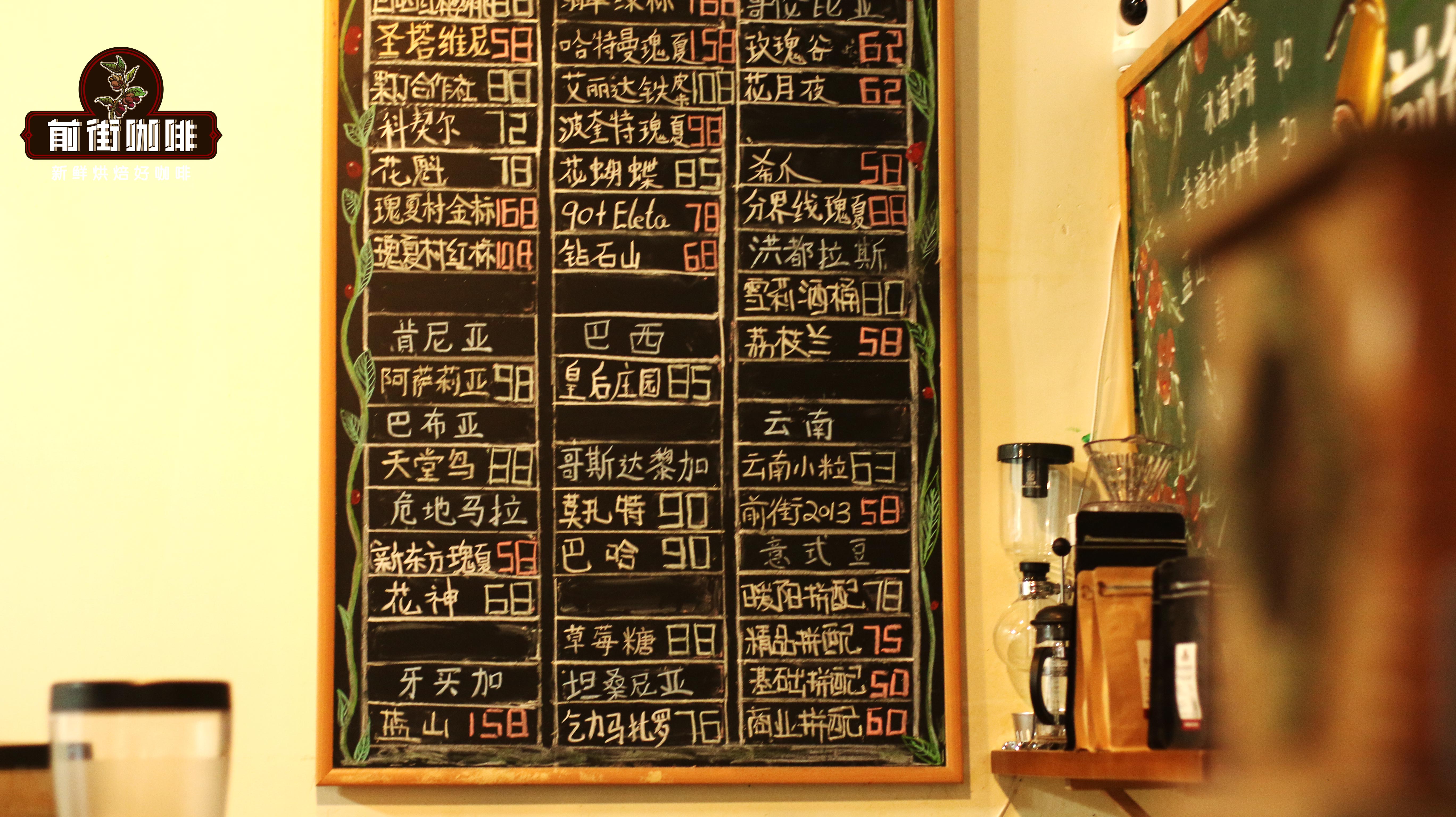
Kopi Luwak is known as the "world's most expensive coffee," with Indonesia as its core producing region. This article will systematically explore the full picture of this special coffee from aspects including its historical origins, the differences between wild and farmed beans, Indonesia's coffee grading standards, the varieties and processing methods of Sumatran cat poop coffee, and Front Street Coffee's brewing parameters and flavor descriptions. At the same time, it will also introduce another Indonesian specialty representative—Golden Mandheling—and share Front Street Coffee's stance on cat poop coffee and brewing recommendations, helping readers rationally understand this highly controversial coffee category. [more…]